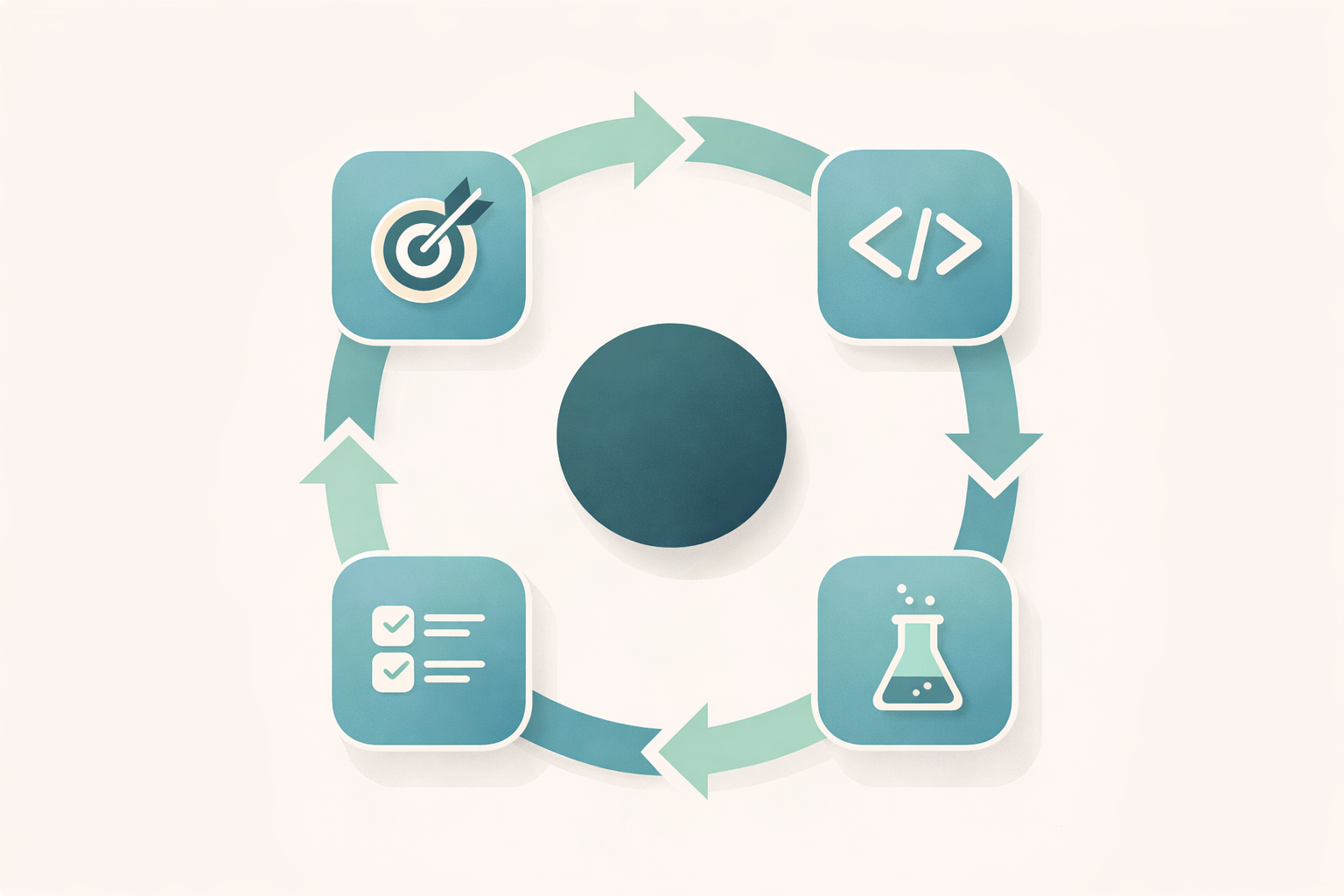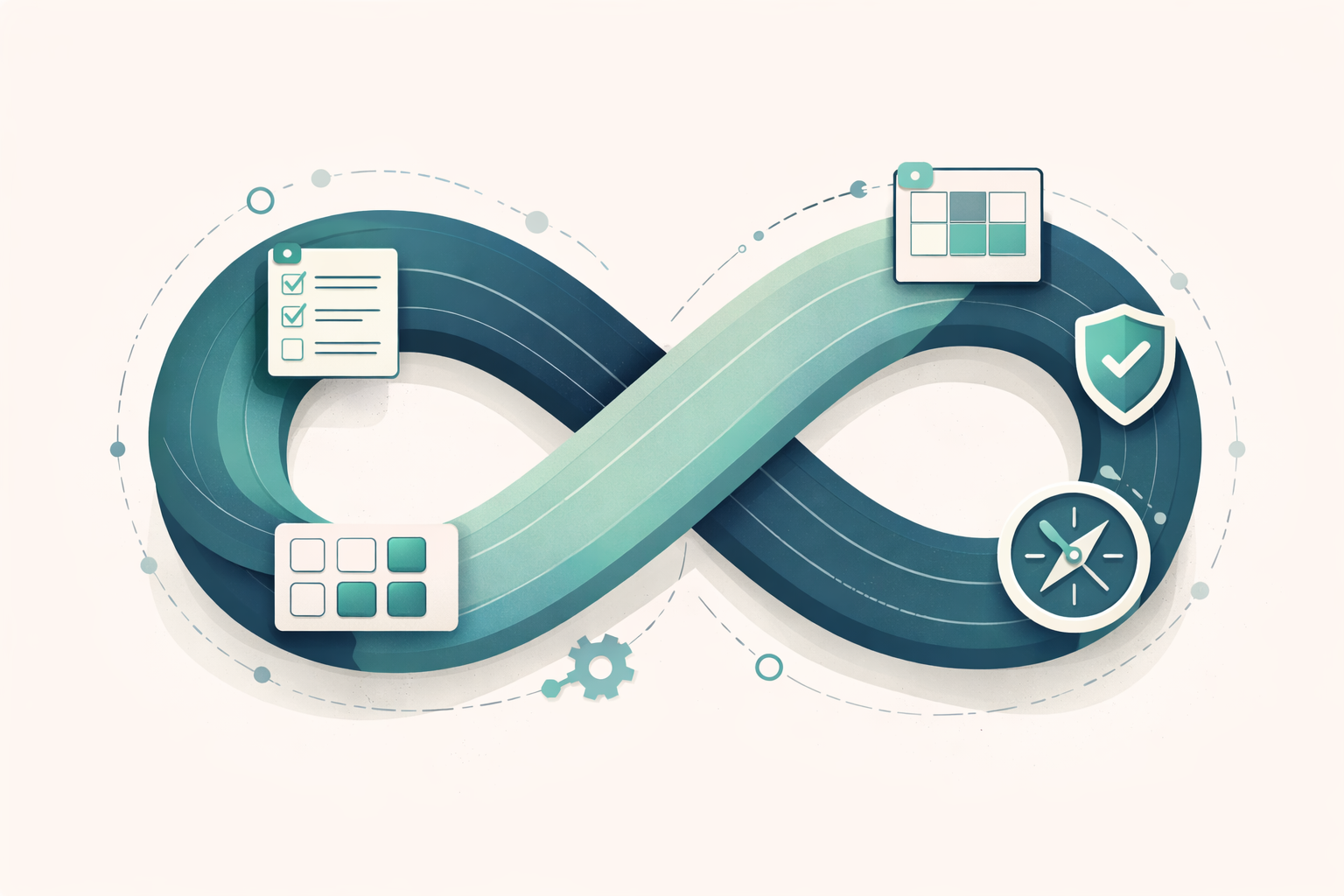
The Sprint Loop is an open delivery model built around continuous execution and measurable outcomes.
A focused Foundation Phase creates clarity and alignment, while Program Increments and short sprint loops drive delivery until objectives are achieved.
The result is tangible progress, validated outcomes and a shared understanding across people, processes, customers and engineering.
The Sprint Loop exists to help organisations deliver meaningful change with clarity and confidence. By aligning goals early, creating a realistic delivery backlog, and working in short sprint cycles, teams build usable increments, validate outcomes, and make learning visible. The result is faster progress, clearer decisions, and a shared story of value — across people, processes, customers and engineering.
The Foundation Phase is the model’s alignment engine. Before teams sprint, we make the invisible visible: the real goal, the horizon, constraints, people and decision paths, current processes, customer impact and risk/compliance obligations. This is where most initiatives either become coherent — or quietly drift.
Foundation can be run light (fast documentation) or deep (when complexity, uncertainty or regulation is high). Either way, the outcome is the same: a shared baseline that removes ambiguity and prevents the classic gap between “sold expectations” and what the first MVP can realistically deliver.
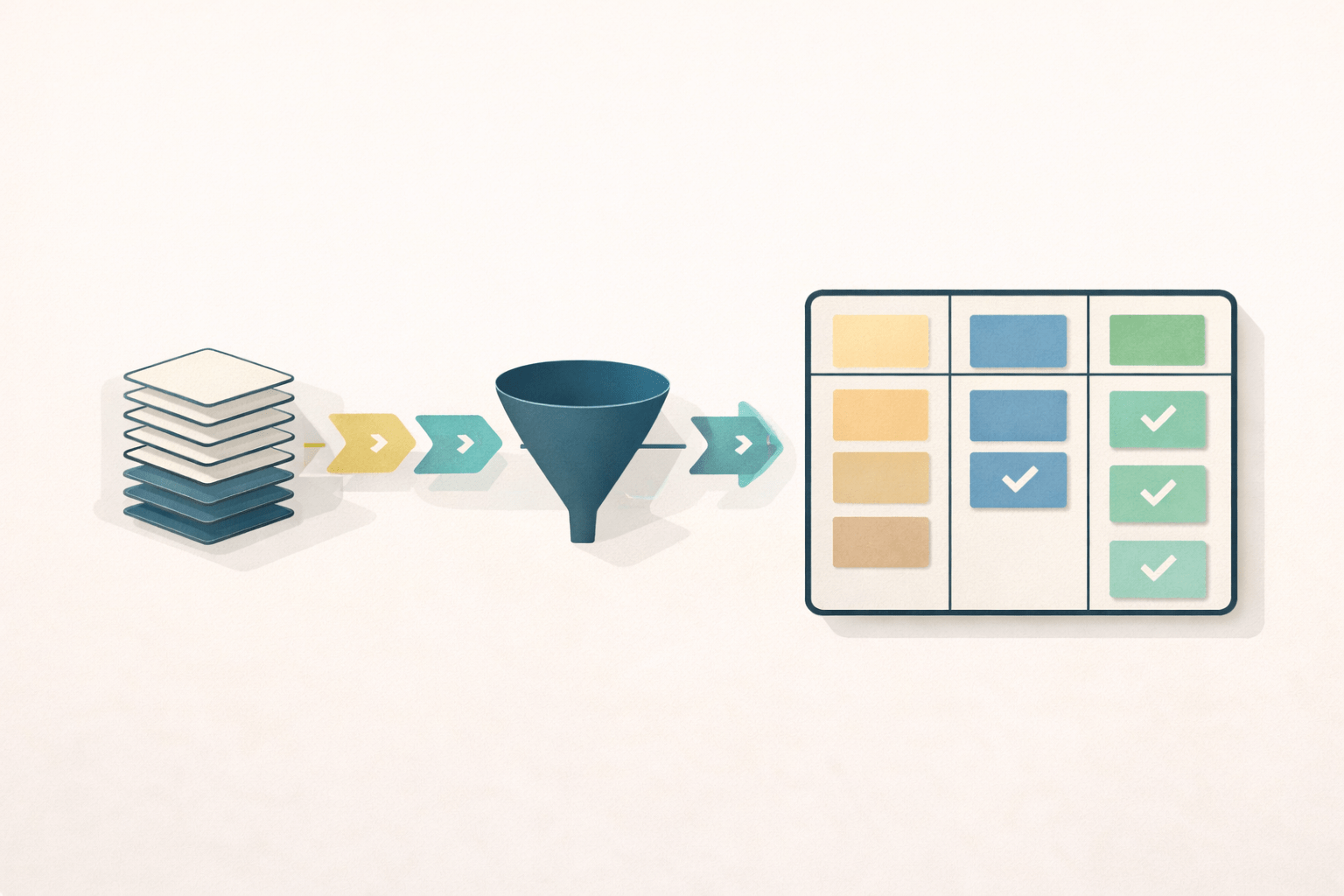
The final puzzle piece is critical: Foundation produces the delivery backlog for the engagement — the set of prioritised hypotheses, requirements, outcomes and risks that later become PI objectives and sprint scope. Without Foundation, sprinting becomes activity without direction.
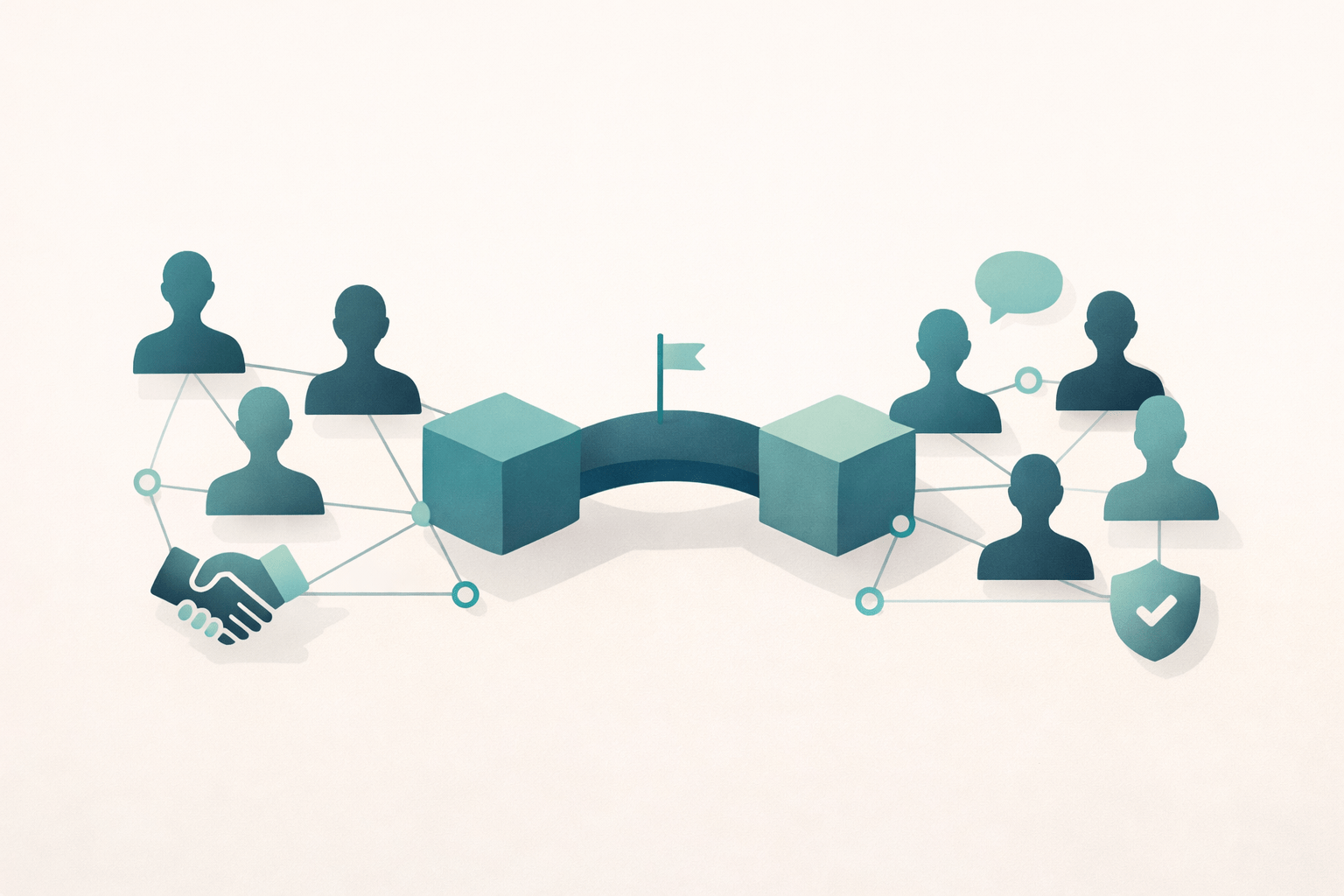
The Sprint Loop is collaborative by design. Delivery requires protected time and clear decision-making — otherwise the consultant becomes the only driving force, and progress turns into “best effort”. These prerequisites define the team’s realistic workload and directly shape the backlog.
Named roles with protected time in the weekly schedule. Delivery cannot rely on “when time allows”.
A sponsor confirms objectives, priority rules and decision authority before delivery starts — no hidden vetoes.
Product, business and technical ownership are explicit. Consultants accelerate delivery — they don’t replace accountability.
Capacity defines throughput. The Foundation backlog reflects what can be delivered, not wishful scope.
Markets shift, SaaS platforms change, regulations evolve and organisations reorganise. Foundation is not a one-off document — it’s a living baseline.
Practical rule: re-run only the modules that changed (A–E), then update backlog and PI objectives. Many teams do this quarterly, but the cadence should match scope and sprint length.
Each module is a practical lens on the same problem: how to deliver meaningful change without losing the organisation, the customer, or the engineering reality. Together they become the shared story — and the structured input to your backlog. Capacity and ownership set the speed limit; the modules set direction and reduce uncertainty.
A practical change module covering culture, organisation, roles and adoption. It helps teams anticipate resistance and manage expectations so the organisation stays with the change — not just the project plan.
Stakeholders, adoption risks, actions, communication cadence.
Oversell early. It creates an MVP expectation gap.
A continuous flow that turns needs into user stories, prioritises with transparent criteria and validates value through sprint delivery. Requirements are hypotheses until proven.
Prioritised backlog, MVP boundaries, traceability to outcomes.
Let backlog become an eternal wishlist.
Visualise the end-to-end customer journey to find friction, align cross-functional teams and prioritise improvements that affect satisfaction and growth.
Journey map, friction points, measures per stage.
Map touchpoints without impact measures.
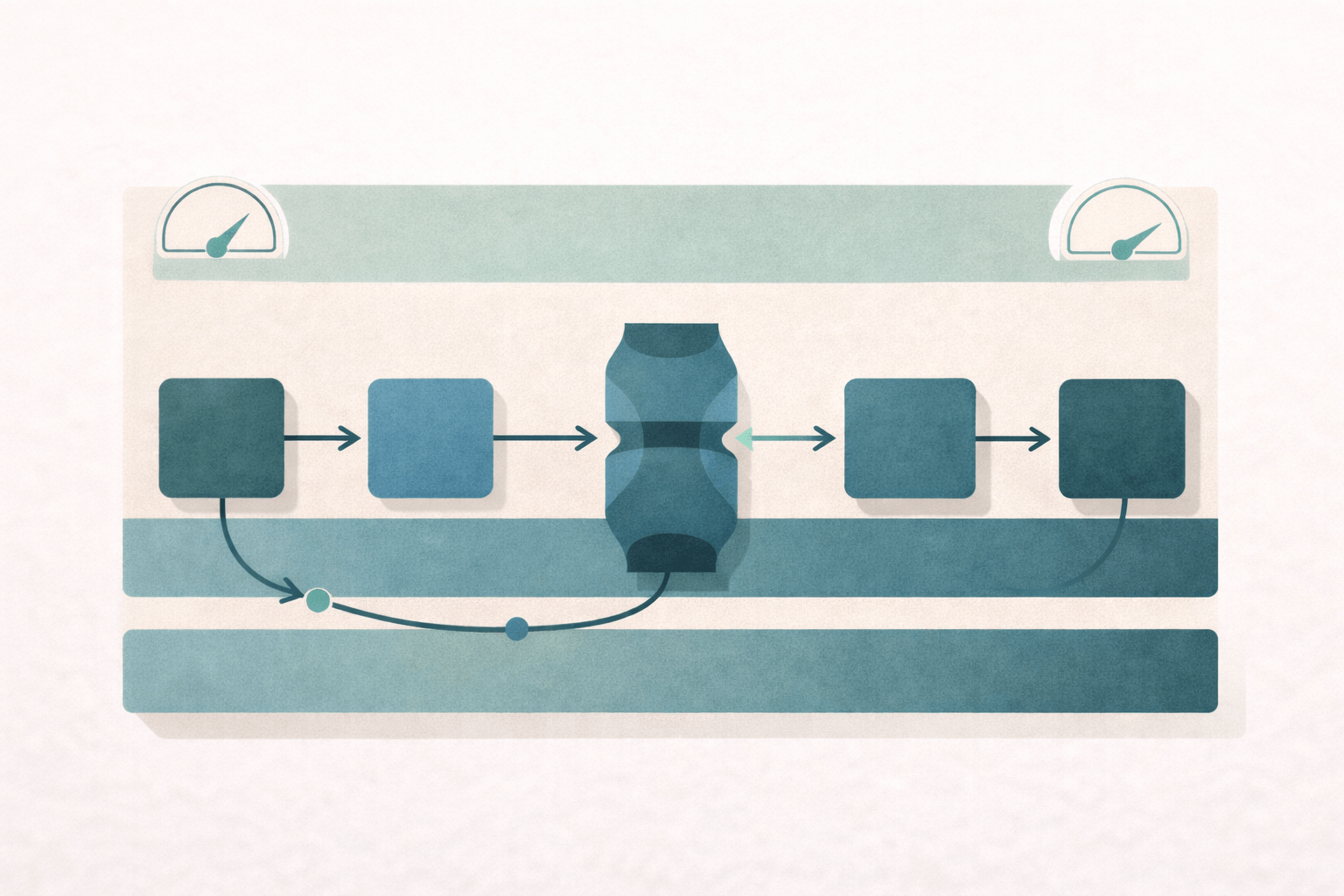
Map bottlenecks and double work, clarify responsibilities and define outcome goals (as-is → to-be) so improvements target real constraints.
Process map, bottlenecks, outcome metrics, ownership.
Optimise locally without seeing the whole flow.
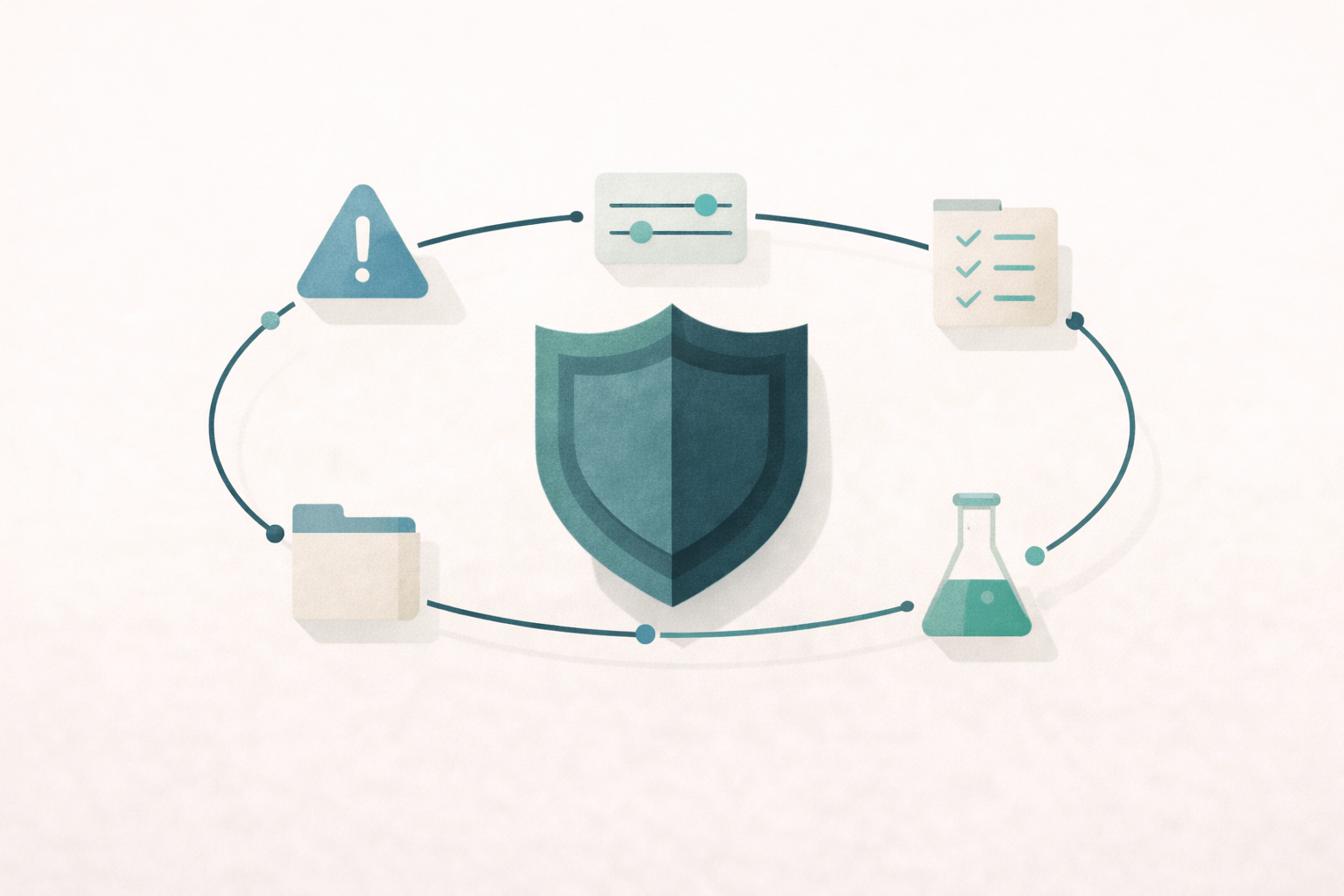
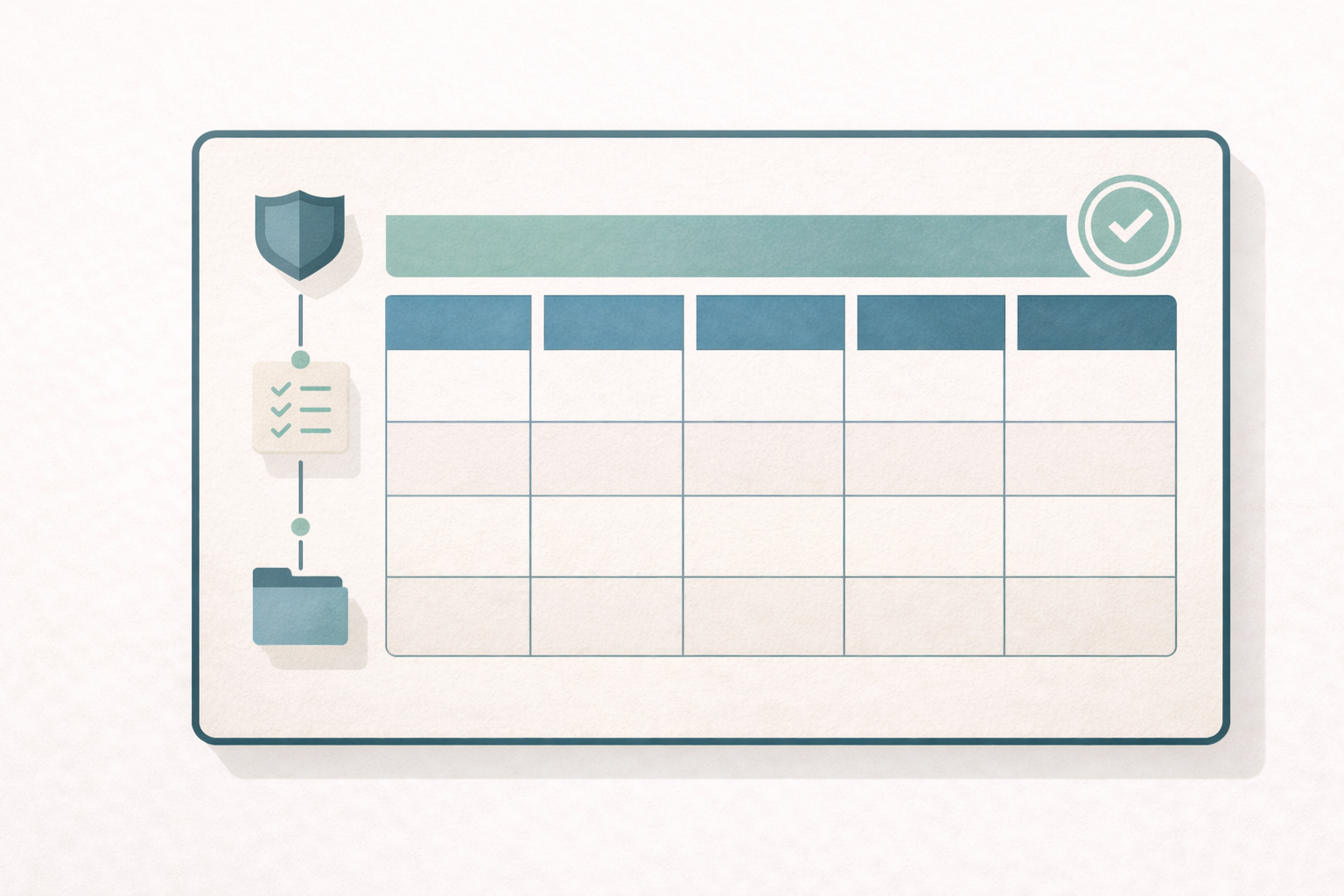
Establish ownership, map controls, link them to requirements and validate them in the Sprint Loop. In regulated settings this creates a critical chain: Risk → Control → Requirement → Test → Evidence.
Risk register, control map, evidence log.
Treat risk as end-of-project paperwork.
After the Foundation Phase, delivery is organised around a Program Increment (PI) — a time-bounded planning horizon where clear objectives are set and pursued through focused sprint loops.
Sprint length is deliberately adaptable and depends on available capacity, complexity and the amount of change to be achieved. In practice, sprints typically span 1–4 weeks, with 2–4 weeks as the recommended upper limit before outcomes are reviewed, learning is consolidated and the next sprint is defined.
Sprint loops continue until the PI objectives are achieved. Once objectives are met, the loop carries forward with a new PI and a renewed direction — using the same delivery engine, informed by evidence and learning.
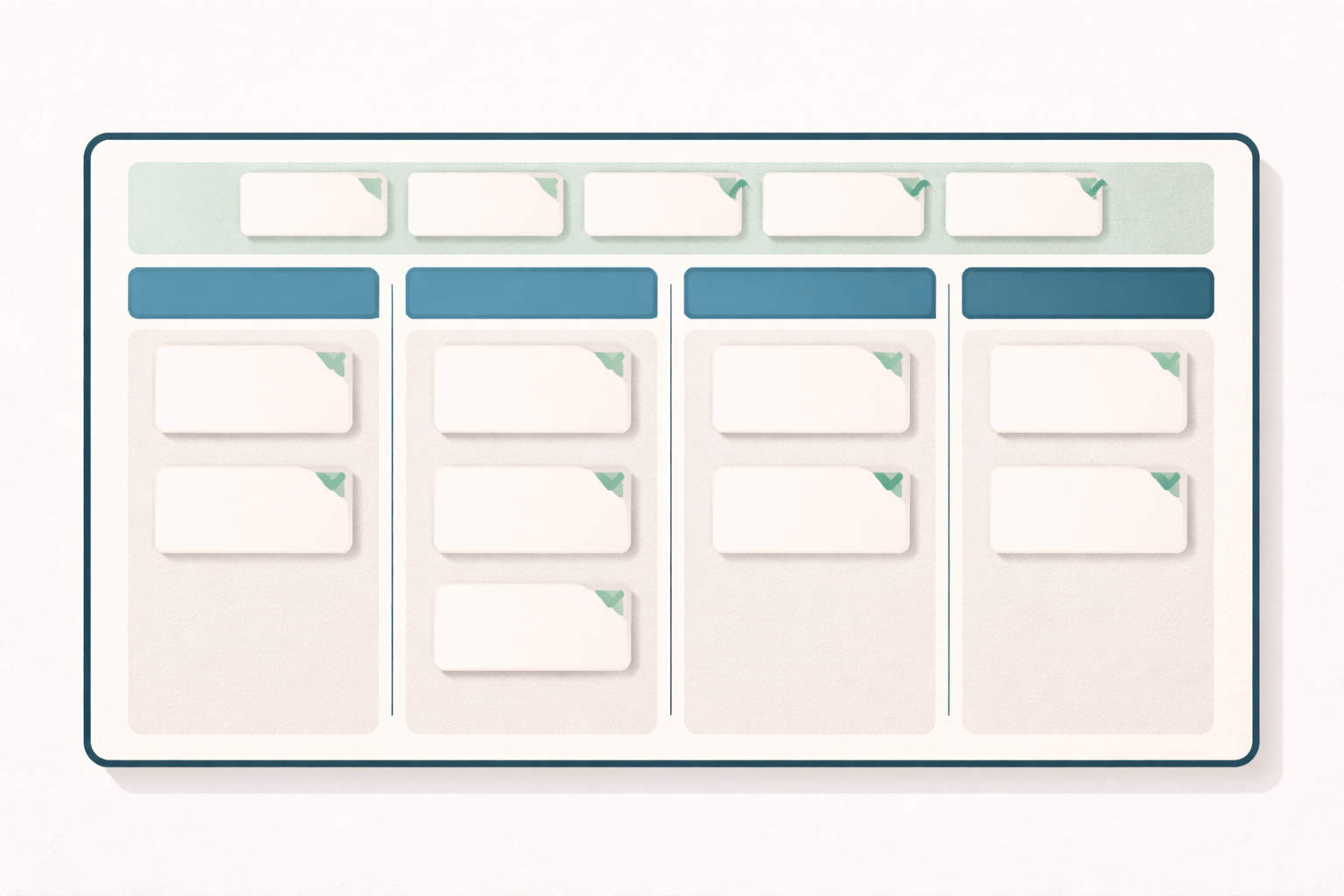
A PI provides a stable planning horizon where teams align on objectives, define priorities and manage dependencies. The PI backlog represents the intent and outcomes to be achieved — not a detailed task plan.
The PI backlog captures what must be achieved within the increment: goals, key features, hypotheses and outcomes. It sets direction and priorities, not day-to-day activities.
Each sprint selects a small, concrete slice from the PI backlog. The sprint backlog defines how the team works this week or next, enabling focus, clarity and daily progress.
Select sprint backlog items, confirm the sprint goal, define acceptance criteria and align on risks.
Disciplined engineering and visible progress. Keep work incremental, testable and reviewable.
Validate outcomes with tests, demos and measurements. Confirm contribution to PI objectives.
Reflect, update assumptions and adjust priorities. Learning drives the next loop.
Templates are designed as practical one-pagers. Email access helps keep versions updated and lets you receive new releases.
Goal → input → plan → delivery → validation → learning.
Need → story → priority → sprint → outcome.
Risk → control → requirement → test → evidence.
The Sprint Loop model is grounded in established research and proven frameworks from agile delivery, continuous improvement, service design and change management. Below is a curated selection of openly available papers and resources that support the principles behind the model.